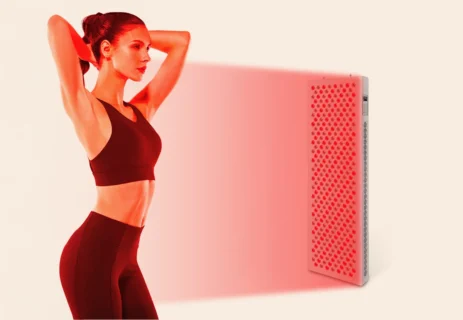
Infrared and red light therapy provide numerous benefits for recovery, relaxation, and overall health. To achieve the best results, it’s crucial to apply the therapy correctly. Below are comprehensive guidelines for using infrared and red light therapy, including tips for specific applications and safety precautions.
1. Positioning
Place the infrared panel 30-80 cm away from the treated area for optimal light penetration. Ensure direct skin contact. Avoid wearing clothing or other barriers over treated areas. For hard-to-reach places like the back, use a mirror or ask someone to assist.
2. Session Duration & Frequency
Session Duration: Start with 10-20 minutes per area and gradually increase depending on your comfort level and goals. For advanced users, sessions may last up to 60 minutes.
Frequency: Use infrared and red light therapy 3-5 times a week for optimal results. Daily use is safe, but always listen to your body and consult with your practitioner for ideal frequency.


3. Timing
Circadian Rhythm: Red light therapy directly influences your biological clock. Use it preferably during the day or early evening:
- Winter: Avoid after 8:00 PM
- Summer: Avoid after 10:00 PM
This allows your body time to prepare for sleep and supports natural melatonin production.
For Sleep Improvement: Use red light therapy 2-3 hours before bedtime. Avoid close to bedtime.
For Athletic Recovery: Use therapy immediately after workouts for optimal recovery.
4. Exposure
Maximize Skin Exposure: Infrared and red light work by penetrating through the skin layers to reach underlying cells. For maximum effectiveness, expose as much skin to the light as possible. Ensure no clothing covers the areas you wish to treat.
5. Specific Application for Common Issues
Skin Problems: Direct the light at the affected area (e.g., acne, scars, or eczema). Use consistently as part of a treatment plan.
Pain Relief: Place the lamp close to painful areas (e.g., joints or muscles) for deep light penetration.
Thyroid Support: Apply red light to the neck for 10-20 minutes per session, no longer, to support thyroid function.
General Relaxation: Use the lamp on the back or abdomen for stress reduction and relaxation.
6. Safety & Precautions
- Pregnancy
While infrared and red light therapy are generally safe, always consult with your practitioner if pregnant. - Skin Sensitivity
If you have sensitive skin or a skin condition, start with shorter sessions and gradually increase the duration. - Contraindications
Avoid treating areas with active (cancerous) tumors, unexplained swellings, or open wounds.
Consult with your practitioner if you are on medication that increases light sensitivity (e.g., certain antibiotics or anti-inflammatory drugs). - Heat Sensitivity
If you are sensitive to heat, begin with shorter sessions and maintain a greater distance from the light.
7. Additional Tips for Optimal Use
Hydration: Drink water before and after sessions to flush out toxins and stay hydrated. Add electrolytes or a pinch of Celtic sea salt for extra support.
Create a Routine: Schedule regular sessions throughout the week to ensure consistency and optimal results.
Coenzyme Q10 for Extra Support: Studies show that supplementing with coenzyme Q10, a powerful antioxidant, can enhance the benefits of red light therapy. Coenzyme Q10 supports mitochondria and protects cells from oxidative stress. Always consult your practitioner before using supplements to ensure they’re suitable for your situation.
Combine with Healthy Lifestyle: Infrared therapy works best when combined with a healthy diet, exercise, and exposure to natural sunlight.
Use the Lamp in Low-Power Mode to Balance Blue Light: Modern devices like phones, computers, and TVs emit harmful blue light, which can disrupt your biological clock and sleep patterns. Use the infrared lamp in low-power mode, activating only the peripheral diodes. This helps counteract blue light exposure, particularly in the evening, and supports a healthy circadian rhythm.
With the right approach, infrared and red light therapy can significantly improve your overall health, well-being, and recovery process. By following these guidelines and listening to your body, you can safely integrate these therapies into your routine and experience their full benefits.
Conclusion
Infrared and red light therapy are powerful tools for enhancing recovery, reducing pain, and promoting overall health. By following the right techniques for positioning, duration, and frequency, you can maximize the benefits of these therapies. Consistency and proper safety measures are key to achieving optimal results while avoiding potential risks. Whether you’re using it for skin conditions, pain relief, or general wellness, infrared and red light therapy can significantly improve your quality of life. Always consult with a healthcare professional if you have specific concerns, and combine these therapies with a healthy lifestyle for the best outcomes.